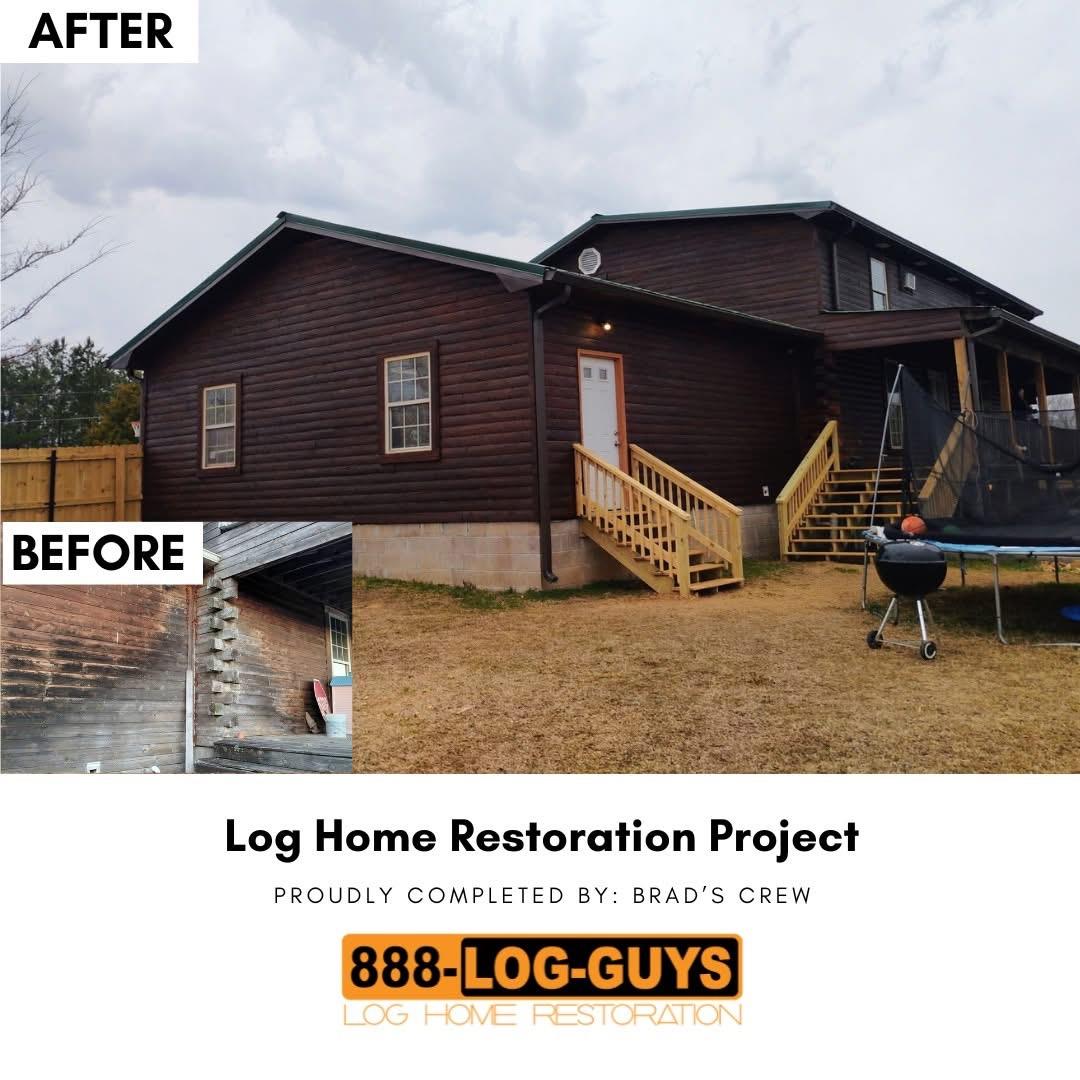

Why Your Log Home Stain Is Peeling (And How to Fix It)
Log home owners frequently encounter peeling stain, which is both widespread and often exasperating. Not only does it affect the appearance of your home, but it also exposes your logs to moisture, UV damage, and long-term deterioration.
If you’re noticing flaking, cracking, or peeling stain on your log home, it’s a sign something deeper is going on. Let’s break down why it happens, and more importantly, how to fix it the right way.
What Causes Log Home Stain to Peel?
- Moisture Trapped in the Wood
Logs naturally expand and contract with moisture. If stain is applied when moisture levels are too high, or if water gets behind the finish, it can cause the stain to lift and peel.
Common causes:
- Poor drainage or splash-back from the ground
- Failing caulking or chinking
- Roof overhangs that don’t provide enough protection
-
Low-Quality or Film-Forming Stains
Not all stains are created equal. Some cheaper or incorrect products sit on top of the wood rather than penetrating it. Over time, these coatings fail and begin to peel.
High-quality, breathable stains (like those from Sashco) are designed to move with the wood, not against it.
-
Improper Surface Preparation
If a log home wasn’t properly cleaned, stripped, or media blasted before staining, the finish won’t adhere correctly.
This includes:
- Dirt, mildew, or old stain left behind
- Skipping proper wood prep steps
- Applying stain over failing coatings
-
UV Exposure & Weather Damage
Sunlight is a major enemy of log homes. UV rays break down stain over time, especially on south- and west-facing walls.
Add Midwest weather swings (heat, humidity, rain) and it accelerates failure.
-
Age of the Finish
Even the best stain won’t last forever. Most finishes need maintenance every 3–7 years depending on exposure and product quality.
If your stain is older, peeling may simply mean it’s time for restoration.
How to Fix Peeling Log Home Stain (The Right Way)
Step 1: Identify the Extent of the Damage
Is the peeling localized, or across the entire home?
- Small areas → May be spot-repaired
- Widespread peeling → Full restoration is usually required
Step 2: Remove Failing Stain
This is the most critical step.
Proper methods include:
- Media blasting (most effective for large areas)
- Chemical stripping (in some cases)
- Sanding (for smaller repairs)
Skipping this step or doing it halfway will lead to repeat failure.
Step 3: Clean & Prep the Wood
After removing old stain:
- Wash the surface thoroughly
- Apply a wood brightener if needed
- Allow logs to dry to proper moisture levels
Step 4: Apply a High-Quality Penetrating Stain
Use a stain designed specifically for log homes—one that penetrates and allows the wood to breathe.
Products like those from Sashco are formulated to:
- Move with the logs
- Resist peeling
- Provide long-term protection
For more on choosing the right stain, check out:
Sashco Log Home Finishes
Step 5: Seal Problem Areas
Don’t forget:
- Chinking and caulking
- Around windows and doors
- Log joints and checks
This helps prevent moisture from getting behind your new finish.
Can You Just Recoat Over Peeling Stain?
Short answer: No.
Applying new stain over peeling areas will not fix the issue, it will fail again, often faster than before.
Proper removal and prep are non-negotiable for long-term results.
When to Call a Professional
If your log home has:
- Extensive peeling
- Signs of rot or mold
- Multiple layers of failing stain
…it’s time to bring in experts.
At 888 Log Guys, we specialize in:
- Media blasting
- Full restorations
- Staining and sealing systems that last
Final Thoughts
Peeling stain isn’t just cosmetic—it’s your log home telling you it needs attention.
Addressing the root cause, using the right products, and following a proper restoration process will protect your investment and keep your home looking beautiful for years to come.