- Uncategorized

Setting a spending cap before playing crypto casino crash
The first decision in a crash game is when to cash out, not which game to choose. The multiplier rises until the round ends abruptly and any uncashed bet is lost. You set your cash-out point before the round starts, then watch the multiplier climb toward it. A hypothetical example: if you lock a cash-out at 2.00x and the round crashes at 1.50x, the stake is lost, while cashing out before 2.00x wins twice the stake. This timing, not pattern reading, determines the outcome.
Platinum play casino | Interac, Visa, Mastercard
How a crash round works, and why the multiplier is not a pattern you can read
A crash round ends the moment you fail to cash out before the multiplier stops rising; the timing of that stop is not something you can infer from earlier rounds. The game shows a number climbing, and you must press cash out before the curve drops to zero. What you see on screen is a public snapshot of the outcome, not a trail leading to the next one. Every round resets the game state completely, so the number that reached 1.23× last week has no bearing on where the next one stops.
The round sequence from seed to cash-out
Each crash round starts when the operator combines a server seed with a client seed and runs both through a hash function. The resulting hash value determines the exact stopping point. You can usually see the server seed, the client seed, and the round hash after the round finishes. That visibility is what makes verification possible. Your own browser contributes the client seed, which means you can change it before the round begins and confirm the result afterward with a free checker. The cash-out button stays active until the multiplier hits zero; once the round ends, no action changes the result.
Why the graph offers no read
The climb looks smooth because the display interpolates between points, but each round’s stop comes from a single hash output, not from a trend. Watching ten rounds will not reveal a pattern, because the hash function behaves as a one-way trapdoor: the output looks random and gives no clue about the input. A streak of low multipliers does not make a higher one more likely, and a run of big numbers does not make a crash due. Betting more after a loss does not recover previous rounds; it only changes the size of the next wager.
A worked example, not an operator offer
Suppose you stake 10.00 CA$ and press cash out at 2.00×. If the round has not crashed by then, your payout is 20.00 CA$, which includes your 10.00 CA$ stake. If the multiplier stops at 1.47× before players acted, the stake is lost and the round is over. That 2.00× target does not improve your chances of the next round landing above 2.00×, because the next round’s hash is independent of this one. You can set the cash-out point in advance for auto play, but that choice only decides when your stake leaves the table, not when the round stops.
Decide your exit point and stake size before the round starts, then treat the outcome as settled the instant the curve falls.
crypto casino crash: accounts and verification, games
What counts towards playthrough at Crypto Casino Crash?
| Brand | Details |
|---|---|
| crypto casino crash | A rise-and-crash multiplier game available to Canadian players through operators that host it, with contribution rates, deposits, withdrawals and verification set by each casino. |
Crypto Crash is a crash-style gambling game where a multiplier climbs from 1.00x upward until it randomly crashes, and the only thing that matters is timing your cash-out before that point. You place a stake, watch the multiplier rise, and press cash out to lock in your payout. Miss the moment and the round ends with nothing. The game itself is simple enough to learn in a minute, but the timing window is what decides whether a session wins or drains. Players often describe the urge to push for one more 0.10x as the real difficulty, not the mechanics.
For players in Canada, this branded crash game is available through operators that accept it as part of their live or instant-play library. Each casino sets its own rules, and those rules are what change the outcome — so the operator’s terms are the actual source of truth instead of the game design. Wagering requirements attached to any bonus used on this game are calculated from the game’s contribution percentage, which for crash titles tends to sit lower than for slots. That means a bonus that looks generous on paper may convert slowly on this game.
A typical Canadian casino serving this game supports cryptocurrency deposits and withdrawals, plus conventional methods such as Interac and credit cards. Minimum deposit amounts and withdrawal limits differ by method and by account status, and are set by the operating casino. Account verification is generally required before a withdrawal is processed, in line with Canadian regulatory expectations. Most operators run the game entirely in a browser, so no dedicated app is needed to play on a phone.
Customer support is typically available in English, with some operators adding French. Bonus validity periods vary by promotion and should be checked in the specific offer’s terms before any stake is placed. Since contribution rates, minimum deposits, and withdrawal caps are all operator-defined, the relevant first step is to open the cashier and the bonus terms for the particular casino instead of relying on general figures.
At Crypto Casino Crash, the amount wagered and the amount counted towards a requirement can be different.
Provably fair verification: what the hash proves and what it cannot prove
What the hash actually checks
A crash round proves that the operator already knew the crash point before players placed their bet, and that nobody moved it after. The site publishes a hashed server seed before the round and the unhashed value after it finishes. Open the round details, copy the server seed, and run it through the same hash function the game specifies. If the resulting hash matches what was shown before the round, the round was fixed in advance and the result was not altered while you were playing. This checks only the sequence: seed → hash → result. It does not check whether the crash point was chosen fairly, only that it stayed the same from before the round to after it.
Where the verification stops
Proving the result was not tampered with is not the same as proving the casino is honest about its edge. Every crash game has a built-in house edge, usually expressed as a multiplier below the true odds. The hash cannot reveal that number, and it cannot tell you whether a seed was drawn from a uniform distribution or skewed toward early crashes. A provably fair system can be fully transparent and still be designed so that the operator keeps a share of the stakes over time. Treat the hash as a guarantee of process, not a guarantee of outcome.
Casino en ligne payant | compare withdrawals
What you can do with the result
Run the check immediately after the round ends, before moving on to the next one. Most platforms show the server seed, client seed, nonce and hash together in the round history. If the values do not reconcile, stop betting and treat the result as unreliable instead of assuming bad luck. A mismatch means you cannot distinguish a legitimate loss from a changed result. When everything reconciles, the practical takeaway is narrower: the operator did not alter this particular round, not that the game is profitable or free of edge.
Crypto Crash casinos operating in Canada generally require identity verification before they release winnings to your account. This is not a platform quirk; it is the standard that Ontario’s alcohol and gaming regulator expects all licensed operators to follow. Expect to upload government-issued photo ID and a recent utility bill or bank statement showing your name and address before your first cash-out request goes through. Some sites ask for this immediately on sign-up, while others hold it until you’ve accumulated enough winnings to trigger a withdrawal. Either way, keep those documents current — an expired driver’s licence will stall your payout just as surely as a mismatched address.
Crypto deposits and withdrawals for crash: currencies, fees and processing time
Which currencies can you actually use
The available coins depend entirely on the casino’s integration, not on which ones you own. Most sites list Bitcoin, Ethereum and one or two altcoins in a dedicated payments area; the rest of the market is simply unavailable there. Check that list before players buy anything, because sending a supported coin to an unsupported one costs you the transfer fee and usually the balance. A deposit address is a string, not a key — it is the public destination you paste into your wallet, and only you hold the secret that controls it.
Fees and where they come from
Two different charges meet you at both the deposit and the withdrawal stage, and they are easy to confuse. The network fee is paid to the blockchain for moving the coins and is deducted at the moment you send. A processing deduction taken by the casino comes out of the amount you receive. In a hypothetical scenario, sending 1.00 BTC might leave you with 0.998 BTC after the network fee, and then the operator might apply its own cut on top before crediting your balance. Read the stated arrangement instead of assuming who covers what.
How long a withdrawal actually takes
"Withdrawal pending" is a status label, not a promise that the money is moving. It means the casino has received the request and has not yet completed its internal checks or issued the transaction on the blockchain. Processing time begins when the request is approved, which is where identity verification and bonus conditions decide the delay. Blockchain confirmation happens after the casino signs the transfer; the network fee you paid earlier is what buys those confirmations. If the funds are still pending past the stated window, that is a signal to check your verification documents instead of to expect automatic progress.
Crypto Crash casinos in Canada generally accept cryptocurrency deposits, and the amount you need to start varies by payment method. Some operators accept a single satoshi; others require several dollars’ worth. Before funding an account, open the cashier and check the minimum for the method you intend to use. The figure is set by the operator, so treating one site’s threshold as universal is how people get declined at checkout.
Frequently asked questions about crash gambling with crypto
What happens if I cash out after the round has already crashed?
The cash-out only succeeds while the round is still active. Once the multiplier stops, the window closes and the bet is lost, so a late click does not recover the money. If a round ends without a visible win, that usually means the cash-out did not register before the crash.
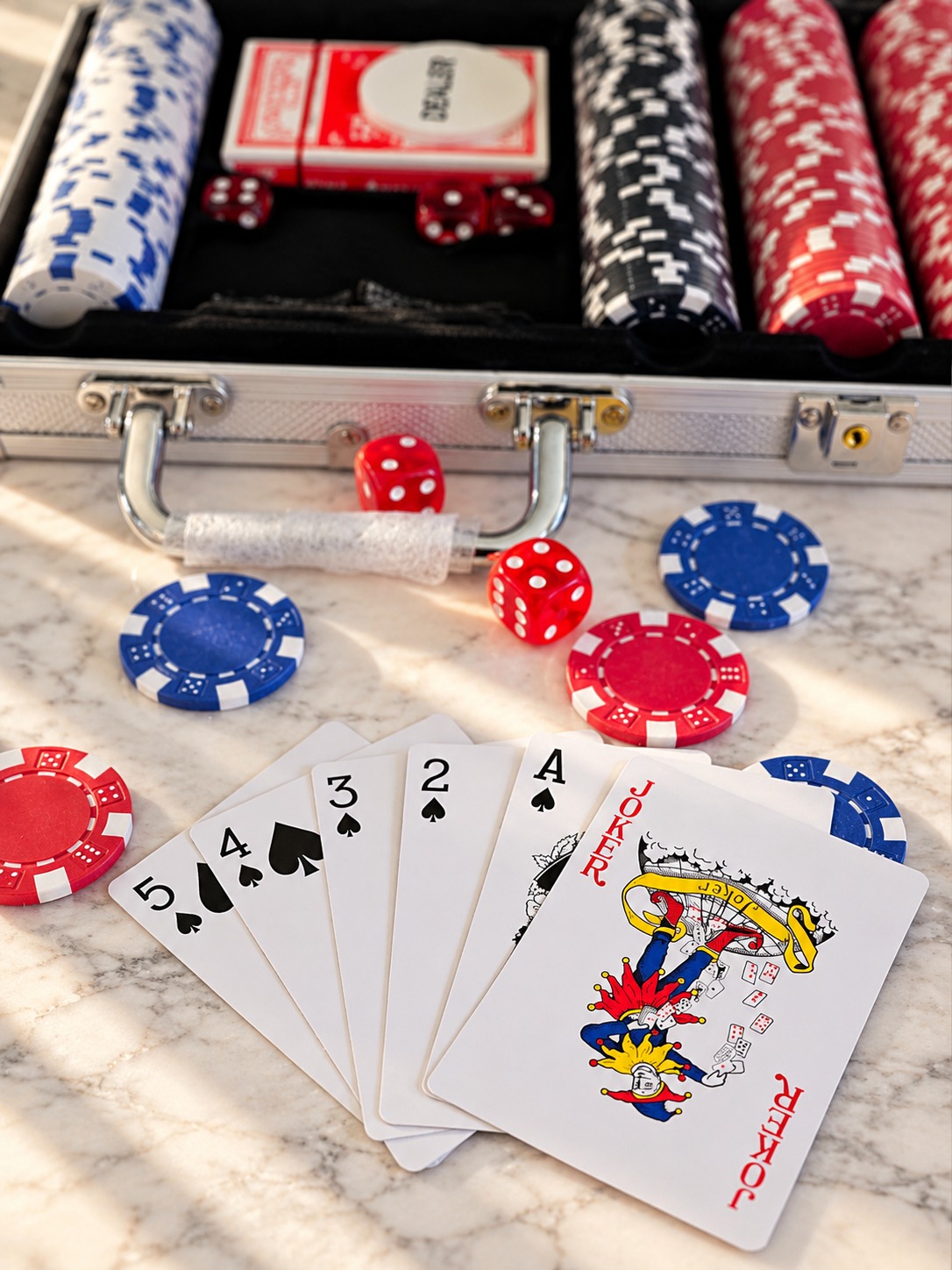
Limits you should set before starting playing
Set your limit before the first round, not after a loss. Decide a spending cap for the session and a hard stop point, then treat both as rules instead of suggestions. If the cap reaches zero, the next click does not recover it.
For Canada, the legal minimum age to gamble is 18 or 19 depending on the province; check which applies where you live. Operators licensed in Canada may offer self-exclusion tools and links to provincial support services, but the exact scheme and help line vary by province. If you cannot find those options on the site, contact the regulator listed for your province directly instead of relying on the casino’s own page.
A crash round settles in seconds, so a loss can multiply faster than a bank transfer. That speed is why the limit must be set at the start and why you should never chase a round you missed.